
A Mother’s Story of Losing Her Son to Overdose | with Margaret Martin
The removalist was already booked for the Monday when police came to Margaret Martin's door on a Friday evening to tell her that her son Ethan had died. Two years on, she still remembers the chiropractor calling the next morning to ask why she'd missed her appointment, one of the strange, mundane details grief refuses to let go of.
Margaret is a WA based social worker and counsellor. Ethan died from an MDMA overdose at 25, and she's spent the years since building workshops that teach people what to actually say, and what to leave out, when someone they love is grieving.
NOW STREAMING ON ALL MAJOR PLATFORMS
This episode includes frank discussion of drug overdose, suicidal ideation, and child loss. If any of this raises something for you, Lifeline (13 11 14) and the Suicide Call Back Service (1300 659 467) are available for support, as is SANE Australia's forums for people bereaved by suicide or overdose.
Our full crisis services directory has more.
In this episode, you'll hear:
👉 "Who is Margaret?" was the hardest question of the whole conversation. — She describes traumatic grief as something that strips your identity back to nothing, forcing you to rebuild your sense of self from scratch.
👉 Ethan's death was ruled an overdose, not a suicide, but she'll never fully know which it was. —The amount of MDMA he took wasn't accidental. Whether he meant to die or was pushing the line he always pushed is a question the coroner's report couldn't answer.
👉 She still gets intrusive thoughts about the police knocking on her door, —even though the officers who delivered the news were, in her words, gentle and kind. It's one of the parts of this grief she rarely tells anyone about.
👉 "It's not your fault" isn't just something people tell grieving parents to be kind. — Margaret explains why blame becomes almost automatic after any death, and why mothers in particular are handed it first.
THE CONVERSATION
Losing her sense of self before losing anything else
Margaret says the question "who is Margaret?" is harder to answer now than it was before Ethan died. She describes traumatic grief as a wave crashing over a tower you've spent your whole life building, forcing you to work out who you are, what you value, and what actually matters to you, all over again. The superficial answers came easily: she loves tea, she crochets, she's a self-described Lord of the Rings nerd. The deeper answer, the one about identity and priorities, is something she's still actively rebuilding two years on.
Who Ethan actually was
Before getting into how he died, Margaret wanted to talk about who he was. Ethan was the second of her four sons: cheeky since he was a baby, reckless enough to break his collarbone skateboarding down Ashfelt Hill, and unusually philosophical for someone who'd also ride a Stanley knife injury off like nothing. He became a head chef at a young age and dreamed of opening his own restaurant. He was, by Margaret's account, a deeply patient and loving father to his two daughters, now 10 and 5, even though his relationship with them, like so much of his life, was complicated by his addiction.
Grief nobody warns you about
In the days after Ethan's death, Margaret and her family flew the whole family to Geraldton for what her counsellor calls "cocooning," a couple of weeks of quiet, walking, and crying together, away from anyone who knew them. It was protective, she says, but it also came with what she calls secondary griefs: the loss of her job, her support network, familiar surroundings, and even some friendships. She flags something rarely discussed: the acute phase of grief can last one to two years, and during that time, she found herself shedding things in her life that no longer served her, simply because she no longer had the energy to carry them.
Shame, professionally and personally
As a social worker, Margaret has had to sit with the particular discomfort of working in a field built around helping families, while her own son died of substance use. She distinguishes shame (I am bad) from guilt (I did something bad), and says her focus now is less on how others judge her and more on whether she's living in line with her own values. She's honest that this took a long time to get to, and that she still has moments of doubting herself.
The work she's building now
Margaret runs My Condolences, a two-hour online workshop teaching people what to do and say when someone dies, built around two core messages: you cannot make a grieving person sadder by talking about the person they lost, and you cannot make it worse. She's also developing a project supporting parents whose adult children have chosen estrangement, drawing on her own experience of estrangement from Ethan in the month before he died. A podcast, Unspeakable, exploring the everyday shame and stigma people carry silently, is on hold for now but still planned.
-
Disenfranchised grief describes loss that isn't openly acknowledged, socially supported, or publicly mourned in the way other deaths are, often because of stigma attached to how the person died, such as suicide, overdose, or other circumstances carrying shame. Research in grief studies has found that social support for these deaths can drop by roughly half compared to deaths from illness or accident.
-
David Kessler is a grief educator and author who co-wrote several books on grief with psychiatrist Elisabeth Kübler-Ross. He's known for his work on the "sixth stage of grief," meaning, and for guidance used widely in bereavement and counselling training.
-
Yes. Overdose can occur from a single high dose, regardless of whether someone has a pattern of dependent or addictive use. Risk also increases when substances are unknowingly mixed with other drugs or adulterants.
-
Naloxone is a medication that can rapidly reverse an opioid overdose, including overdoses involving fentanyl. It's increasingly available as a nasal spray and is used in harm reduction programs, though it's specific to opioids and doesn't reverse overdoses from stimulants like MDMA.
-
Support services vary by state, but organisations such as Lifeline and state based bereavement services offer general grief support, and some regions have dedicated overdose or substance related bereavement groups. Margaret notes in this episode that sibling specific grief support remains far less established than support aimed at parents.
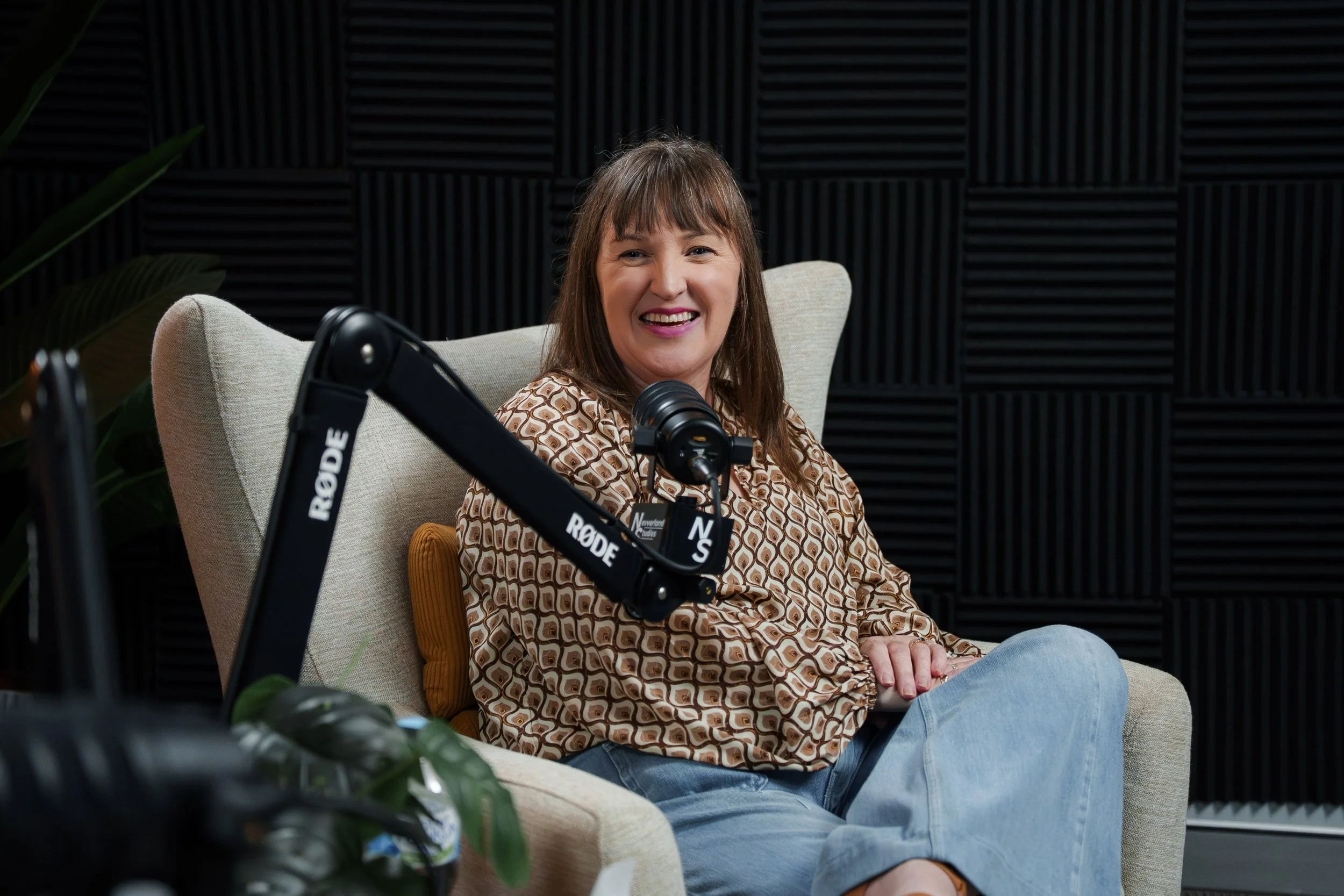
About Margaret Martin
Margaret Martin is a WA based social worker and counsellor. Her son Ethan died from an MDMA overdose in January 2024, aged 25. She runs My Condolences, a workshop teaching people how to support someone through grief, and is developing further work supporting parents navigating estrangement from adult children. Her podcast, Unspeakable, exploring the everyday stories of shame and stigma people rarely voice, is in development.
👉 Want to find these resources? Visit My Condolences Workshop →
