
The Hidden Reality Of Mums In Addiction | With Karen from Luma
Motherhood can be messy, lonely and overwhelming... and addiction can become one of the ways some women cope with that weight. For mothers struggling with addiction, the fear of judgement can become one of the biggest barriers to getting support. Karen from Luma works with women and families navigating addiction, recovery and the realities of motherhood when substance use is part of the picture.
NOW STREAMING ON ALL MAJOR PLATFORMS
This episode includes discussion of addiction, pregnancy and substance use, postnatal depression, childhood trauma, shame, child protection and family experiences of addiction. If anything in this conversation raises something for you, Lifeline (13 11 14), Suicide Call Back Service (1300 659 467) and the National Alcohol and Other Drug Hotline (1800 250 015) are available for support.
Our full crisis services directory has more.
In this episode, you’ll hear:
👉 Why shame can become one of the biggest barriers to recovery for mothers. Karen explains how fear of being judged as a “bad mum” can stop women from asking for help, even when they know they need support.
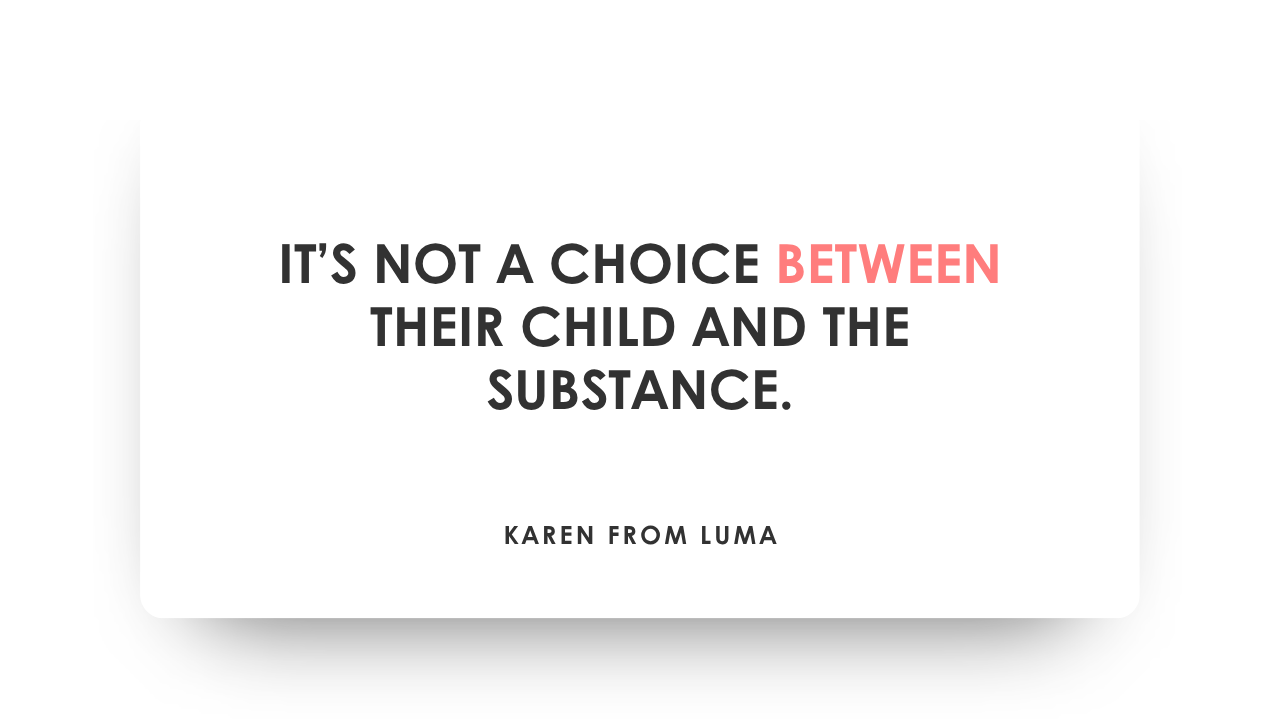
👉 Why addiction isn’t a simple choice between a mother and her child. Karen talks about the damaging belief that “if you loved your children enough, you’d stop” and why addiction is far more complex than that.
👉 What happens when a woman is pregnant and still using substances. Karen explains the fear many women have around judgement and child protection, and how services like the WANDAS Clinic and Luma can support them through pregnancy and beyond.
👉 How Luma reduced the barriers that were stopping women from getting support. From drop-in groups to simple text-message check-ins, Karen shares why low-pressure connection can make a huge difference for someone struggling with addiction.
👉 Why recovery doesn’t happen through shame. Karen’s message is clear: people don’t make lasting change because they’ve been judged harder. Support, self-compassion and one small step forward can be where recovery starts.
The conversation
Why motherhood and addiction carry so much shame
Karen talks about the impossible standard mothers are often held to and how that pressure can make substance use even harder to admit. She says women can already be carrying enormous emotional loads, then add the expectation that a “good mum” should always cope, always be grateful, and always have everything together. When addiction enters the picture, that shame can become overwhelming enough to stop someone asking for help at all.
She also speaks from her own experience of postnatal depression, describing how shame and the belief that she should simply “pull herself together” delayed her getting the support she needed. For Karen, that experience became part of understanding just how powerful shame can be in keeping women silent.
Why addiction doesn’t mean a mother loves her children less
One of the biggest ideas Karen pushes back on is the belief that if a mother loved her child enough, she would simply stop using. She remembers thinking the same thing as a child about her own father’s alcoholism and her brothers’ drug use, before understanding addiction differently later in life.
Her point is that addiction is not a simple choice between a child and a substance. Mothers can deeply love their children and still be caught in patterns of substance use, shame, trauma and coping that are far more complicated than “just stop”.
What happens when a pregnant woman is still using substances
Karen explains that fear of judgement and child protection can stop pregnant women from reaching out, even when they desperately need support. She says Luma works alongside services such as child protection, but their role is to support the woman and help her meet the requirements around safety and care rather than work against her.
She also talks about the WANDAS Clinic at King Edward Memorial Hospital, where pregnant women experiencing substance use can receive coordinated support from midwives, social workers and other professionals. Karen describes it as a highly supportive, non-judgemental space focused on helping both mother and baby reach the safest possible outcome.
How “mum and wine” culture can hide a bigger problem
Karen talks about how normalised alcohol can become in motherhood, particularly as a way to cope with stress at the end of the day. For many women, a glass of wine may not become a problem. But she says the concern is when alcohol becomes the only thing someone feels they can rely on to regulate stress or get through the day.
The question then becomes less about judging the behaviour and more about asking what need the alcohol is meeting. What is happening emotionally, physically or mentally that makes that drink feel necessary right now?
What Luma’s addiction support actually looks like
When Karen helped build Luma’s program, one of the goals was to remove as many barriers as possible. That meant drop-in groups instead of requiring women to be “group ready”, partnerships with other services, one-to-one support and simple things like text-message check-ins.
Karen says those small points of connection can be life-changing. A message saying, “How are you going today?” might be enough to remind someone that somebody is thinking about them and that support is still there when they’re ready.
Why recovery starts with compassion, not shame
Karen is clear that shame does not create lasting change. Whether it comes from other people or from inside your own head, she says it tends to push people further into secrecy, isolation and the belief that they are beyond help.
Her approach is built around self-compassion and small, realistic steps. For someone who feels too ashamed to ask for help, that first step might be looking at the Luma website, making one phone call, joining the Women’s Recovery Community page, or simply turning up to a group and sitting quietly. No big declaration required. Just one step.
-
Karen says shame can build until a mother feels she cannot tell anyone what is really happening because she expects to be judged as a bad parent. That secrecy can make reaching out feel even harder, particularly when substance use is already surrounded by stigma.
-
No. Karen is clear that addiction is not simply a choice between a child and a substance. She explains that mothers can deeply love their children while still struggling with addiction, and that reducing the situation to “if you loved them enough, you’d stop” ignores how complex addiction actually is.
-
Yes. Research has identified fear of child protection involvement or losing custody as a significant barrier to disclosing substance use and seeking treatment during pregnancy. Stigma, fear of judgement and concerns about privacy can also stop women from accessing support.
-
Stigma can reduce help-seeking and make people feel less deserving of care. Research recommends trauma-informed, non-punitive and harm-reduction approaches that focus on trust, safety and supporting both the pregnant person and baby rather than relying on shame or punishment.
-
Evidence supports care that addresses the whole situation rather than treating substance use in isolation. This can include antenatal healthcare, addiction treatment, mental health support, practical assistance, childcare and coordinated services. Recent research also identifies fragmented care, lack of childcare, financial barriers and limited specialist services as reasons women can struggle to engage with treatment.
About Karen from Luma
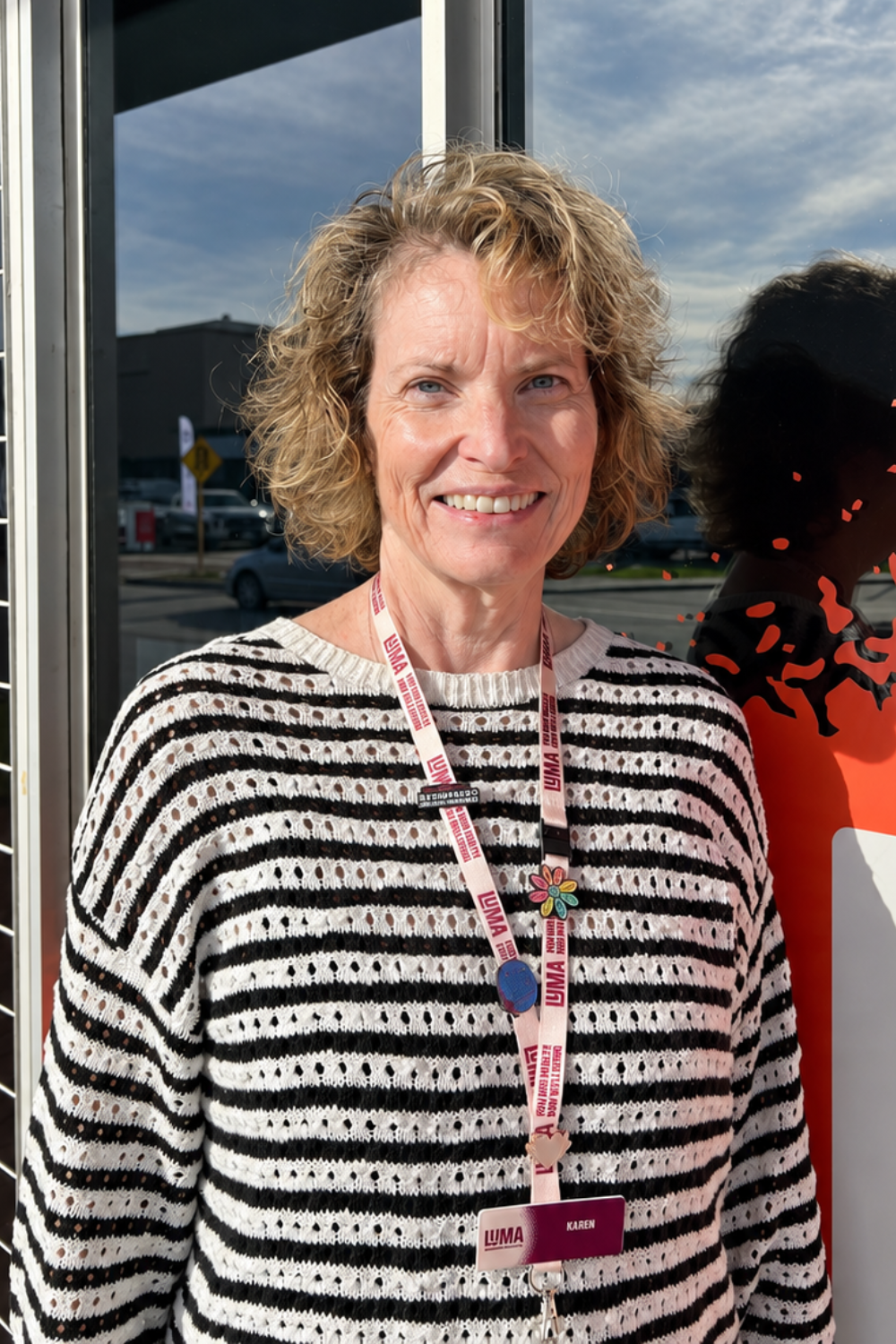
Karen is a senior counsellor and Alcohol and Other Drugs Programs Officer at Luma, working with women and families navigating addiction, recovery and mental health. Her work has a particular focus on mothers, including women who are pregnant or raising children while struggling with substance use.
Karen came to Luma while completing her master’s degree in counselling and has now been part of the organisation for around six years. She helps deliver one-to-one support, recovery groups and low-barrier programs designed to make it easier for women to reach out without judgement or pressure.
👉 Want to connect with Karen or access support through Luma? Visit luma.org.au or call (08) 6330 5400.
RESOURCES MENTIONED IN THIS EPISODE
Luma — Support for women and families across alcohol and other drugs, mental health, perinatal support and more. Karen says most Luma services are free.
Women’s Recovery Community — Facebook community for women seeking information and support around addiction, recovery and mental health. Karen also hosts Coffee Talk there on Mondays.
