
Psychosis & The Cracks In Care | With Tom Darley
When psychosis, substance use and serious mental illness collide, getting the right support can become incredibly complicated. Tom Darley, founder of Chameleon Recovery, supports people navigating those complexities with practical, person-centred recovery support.
NOW STREAMING ON ALL MAJOR PLATFORMS
This episode includes discussion of psychosis, drug-induced psychosis, methamphetamine use, schizophrenia, mental health crisis and substance use. If anything in this conversation raises something for you, Lifeline (13 11 14), Suicide Call Back Service (1300 659 467) and the National Alcohol and Other Drug Hotline (1800 250 015) are available for support.
Our full crisis services directory has more.
In this episode, you'll hear:
👉 Paris shares what drug-induced psychosis actually felt like from the inside. After days awake on methamphetamine, she was convinced she could see a SWAT team climbing a nearby building... and in that moment, it felt completely real.
👉 Tom explains why arguing with someone in psychosis can make things worse. The goal isn’t to confirm the hallucination or tell them they’re imagining it... it’s to acknowledge the fear, stay calm, and help them feel safer.
👉 When methamphetamine use and schizophrenia overlap, people can get stuck between systems. Mental health teams may struggle to separate what’s being driven by substance use from an existing diagnosis, leaving everyone at a difficult standstill.
👉 Psychosocial recovery work can look completely different from one hour to the next. Tom might help someone buy groceries in the morning, then spend the afternoon finding crisis accommodation for someone facing homelessness.
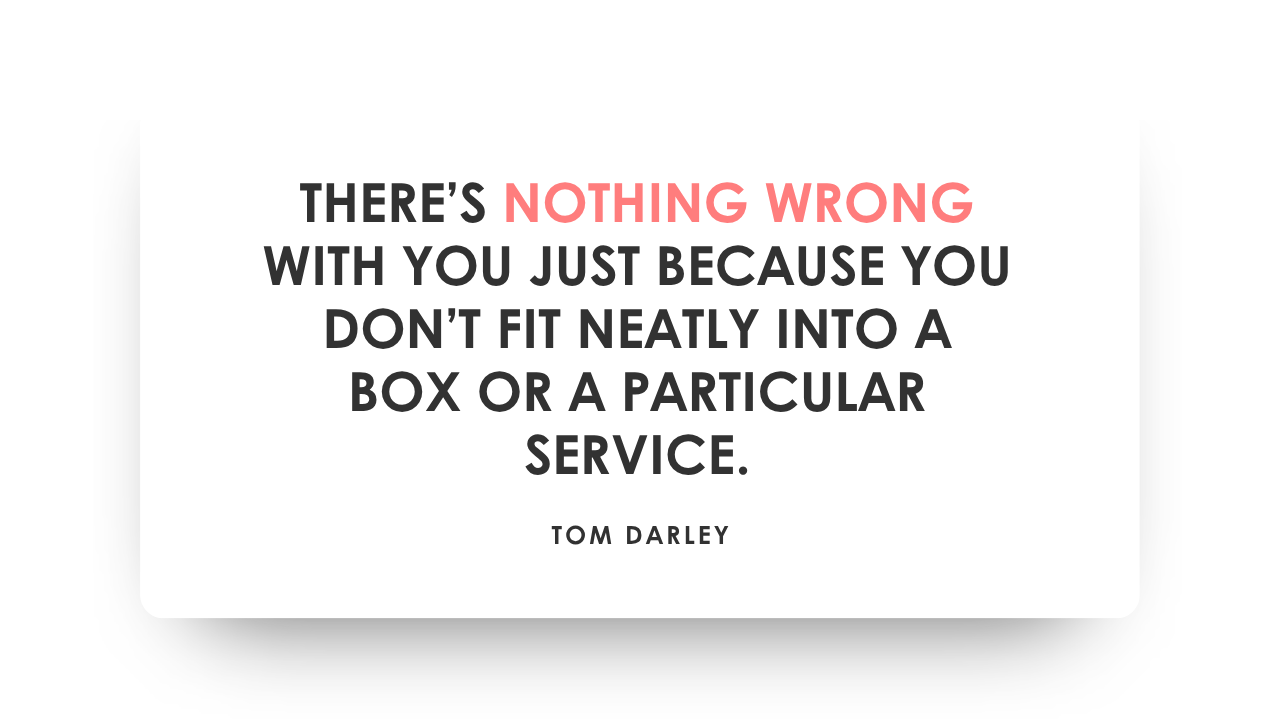
👉 Sometimes recovery support comes down to finding the person who actually clicks with you. Tom’s message for anyone who keeps getting bounced between services is simple: keep going until you find someone willing to understand the whole person, not just the box they fit into.
The conversation
What psychosis actually looks like from the inside
Tom breaks psychosis down into three main experiences: hallucinations, delusions, and disorganised thinking or speech. Hallucinations can mean seeing or hearing things that aren't there, while delusions can involve deeply held beliefs that someone is being watched, followed, or having their thoughts interfered with. Disorganised thinking can make it difficult for someone to communicate clearly enough to explain what they need.
What Tom keeps coming back to is fear. From the outside, someone experiencing psychosis might appear frightening or unpredictable, but he says the person themselves may be terrified by what they genuinely believe is happening around them. That changes the question from “What’s wrong with this person?” to “What are they experiencing right now?”
Why arguing with someone in psychosis can make things worse
Tom says one of the most important things is to stay calm and respond to what is actually in front of you. If someone appears paranoid, don’t interrogate them. If they are avoiding eye contact, don’t force it. And if they are describing something you can’t see, he says there are two extremes to avoid: confirming the hallucination as real, or bluntly telling them they’re imagining everything.
Instead, Tom describes a middle ground built around empathy, active listening and safety. His example is simple: acknowledge that what the person is experiencing sounds frightening, explain that you personally can’t see the threat they’re describing, then offer to stay with them or move somewhere they feel safer.
How Tom ended up working at the complex end of mental health
Tom didn’t come into this work from a purely academic place. He talks about living with anxiety from childhood and experiencing significant depressive episodes himself, alongside watching friends and family navigate their own mental health challenges. That lived experience became part of what drew him towards psychology and, eventually, support work.
While studying psychology, he began working as a support worker and found himself particularly drawn to people living with psychosocial disability. He says he was good at adapting to what different people needed, finding common ground, and building rapport. When the psychosocial recovery coach role emerged within the NDIS, he knew that was the direction he wanted to take.
When methamphetamine use and schizophrenia collide
One of the biggest cracks Tom describes appears when severe mental illness and substance use are happening at the same time. Someone with schizophrenia may already be experiencing hallucinations or delusions, then methamphetamine use can intensify those symptoms. The challenge is that services may struggle to determine what is coming from the underlying diagnosis and what is being driven by substance use.
Tom gives the example of asking a mental health team to review someone’s medication because their psychosis is getting worse, only for the team to be unable to make changes safely while the person is actively using substances. That can leave the person, their support workers, and clinicians stuck in a kind of stalemate. At that point, support may shift towards harm minimisation: keeping the person as safe as possible and reducing the risk of hospitalisation, prison or worse.
What psychosocial recovery coaching actually looks like
Tom’s work rarely happens behind a desk. He supports people living in family homes, rentals, supported accommodation, hospital, and sometimes on the street. Depending on the person, a session might happen at home, in a café, at a library, during a drive, or walking outside somewhere they feel comfortable enough to talk.
The work can change dramatically within the same day. Tom might spend the morning helping someone buy groceries because they don’t feel confident going out alone, then spend the afternoon urgently finding crisis accommodation for someone facing homelessness. The next day could involve gathering reports to advocate for NDIS funding or taking someone swimming so they can rebuild confidence around something they once enjoyed.
Why recovery support can’t be one-size-fits-all
For Tom, rapport comes before almost everything else. He says understanding whether someone needs more structure or more independence starts with actually knowing the person, checking in regularly, and watching what is and isn’t working. The same person may need more structure at one stage of recovery and more autonomy later.
That flexibility also shapes his message to people who have been bounced between services and feel like they don’t fit anywhere. Tom says people are complicated and services are often rigid, which means finding the right support can take time. His advice is to keep going until you find the person who clicks with you and is willing to go that extra mile.
-
Tom recommends staying calm and responding to what the person needs in that moment. He says not to reinforce a hallucination or delusion as real, but also not to bluntly dismiss what the person is experiencing. Instead, acknowledge that it sounds frightening, explain what you can see from your perspective, and focus on helping them feel safe.
-
For Tom, the work changes from person to person and even from hour to hour. It can mean helping someone build confidence to leave the house, navigating NDIS supports, finding crisis accommodation, advocating for additional funding, or helping someone reconnect with activities they enjoy. The focus is on practical support that helps the person build greater independence and work towards their own recovery goals.
-
Psychosis describes a state in which a person’s perception of reality is disrupted. It can include hallucinations, delusions and disorganised thinking or behaviour. Schizophrenia is a specific mental health condition that can include episodes of psychosis, along with other symptoms such as reduced motivation, difficulty experiencing pleasure and cognitive changes. Psychosis can also occur with other mental health conditions, physical illnesses and substance use, so experiencing psychosis does not automatically mean someone has schizophrenia.
-
Yes. Methamphetamine use is well established as a possible cause of psychotic symptoms, including paranoia, hallucinations and delusions. For many people these symptoms are temporary, but research has found that psychosis can persist or recur in a smaller group even after methamphetamine use has stopped. This overlap can also make it difficult for clinicians to distinguish methamphetamine-induced psychosis from a primary psychotic disorder.
-
Dual diagnosis generally refers to someone experiencing both a mental health condition and an alcohol or other drug problem at the same time. NSW Health notes that these coexisting conditions can make diagnosis and treatment more complicated and can also affect a person’s ability to access the right specialist services. This is one of the issues Tom talks about when describing people who can end up caught between mental health and AOD systems.

About Tom Darley
Tom Darley is a Perth-based psychosocial recovery coach and founder of Chameleon Recovery, supporting people living with complex mental health conditions including psychosis, schizophrenia, trauma and substance use. He brings both professional experience and his own lived experience of anxiety and depression to the work.
Through Chameleon Recovery, Tom provides practical, person-centred support focused on confidence, independence, navigating services, finding accommodation and working towards individual recovery goals. His work is largely community-based and shaped around what each person needs.
👉 Want to work with Tom? Visit www.chameleonrecovery.com.au.
